The Dead Terminal Drill: Rehearsing Your Payment Plan B Before the Rush
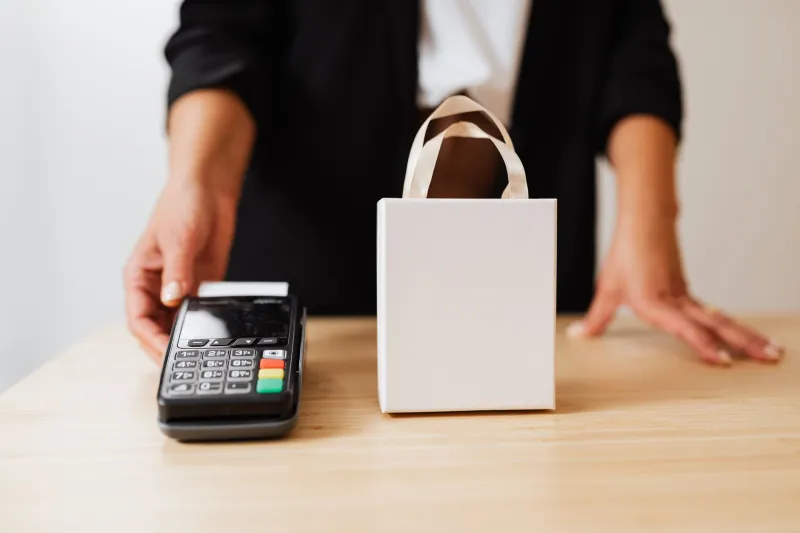
It is 5.12pm on the second Saturday of December. There are eleven people in the queue, two of them are holding wrapped gifts they clearly want to be rid of, and your card terminal has just decided to spin a little circle on the screen forever. The word 'Connecting' has never looked so menacing.
This is not a rare disaster. It is a completely predictable one. Payment terminals get hammered in peak trading weeks — more transactions, more network congestion, more chance that a software update lands at the worst possible moment. The only real variable is whether your team stands there shrugging, or reaches for a plan that has been sitting under the counter since October.
First, the 90-second script
Panic is contagious and so is calm. Before December, sit your staff down for ten minutes and agree on roughly what they will say. Not a corporate script — just a short, human version of this:
'Our card machine is having a moment. I can take cash, or I can send you a payment link on your phone right now — takes about a minute. What suits?'
Three things make that work. It offers options rather than problems. It does not blame the customer or the Wi-Fi. And it avoids the death spiral of over-apologising, which makes a two-minute delay feel like a crisis.
Brief whoever is on the till to say the same thing, more or less, every time. Consistency stops customers comparing notes and getting cross. It also stops your newest member of staff improvising something that sounds like 'sorry, we're broken'.
What you can ask a customer to do — and what you cannot
This catches people out, so be clear with your team.
You can: offer cash, offer a bank transfer or pay-by-bank QR code, take a deposit, hold the item until the terminal is back, order it in for collection, or suggest they come back later. You can also set a sensible minimum spend for cards, but check your acquirer's rules first and make sure it is on display rather than sprung on someone at the till.
You cannot: slap a fee on people for paying by card. Surcharging consumer card payments has been banned in the UK since 2018, and 'the machine is down so there's a 50p charge' is not the loophole you think it is. You also cannot write down a customer's card number on the back of a receipt, photograph their card, or take details over the phone and key them in later unless you are properly set up for it. That is a fast route to a card-data breach and a very awkward conversation with your payment provider.
And no, you do not have to accept cash — legal tender is about settling court debts, not about forcing notes into your till. But refusing the only payment method currently working is not a great look in the week before Christmas.
The bit of your contract nobody reads until now
Dig out your merchant services agreement this week. Twenty minutes with a highlighter will tell you two useful things.
Downtime commitments. Many providers promise a service level — often somewhere around 99% uptime — and some offer a credit if they fall below it. The catch is that the credit almost never arrives automatically. You usually have to claim it, within a set window, with evidence. Which means you need to log the outage as it happens: the date, the start and end time, the terminal serial number, the exact error message on screen, and roughly how many sales you lost. A photo of the screen is worth having too.
Notice terms. If this is the second or third outage this year, check how much notice you owe before you can leave, and whether the contract auto-renews. Peak season is exactly when people discover they are locked in until 2028.
One more thing worth knowing: if your 'backup' terminal runs on the same provider and the same SIM, it is not a backup. It is the same single point of failure wearing a different hat.
Build the kit before you need it
The whole point of a contingency plan is that it exists before the queue does. Put together a small box or drawer with:
- A second way to take money. Either a terminal from a different provider on a different network, or a printed QR code stand for pay-by-bank. Test it yourself with a £1 transaction in November, not in the middle of a rush.
- A cash float and change. Order it from the bank early — December branch queues are their own special form of hell — and decide in advance who holds the key and when drops go in the safe.
- A paper receipt book and a working pen. Two pens. The first one will be out of ink.
- A mobile hotspot or spare SIM. Half of all 'terminal down' incidents are actually 'shop Wi-Fi down'.
- A laminated instruction card. Four lines, taped inside the counter: who to call, what to say, where the backup terminal lives, how to log the outage.
The QR code question
Pay-by-bank QR codes have quietly become the most useful backup in small retail. The customer scans, confirms a payment in their banking app, and the money lands in your account — often within seconds, and without card processing fees eating into it. It is cheap, it works when the card network does not, and it does not need a terminal.
The catch is trust. Older customers, in particular, may look at a random square on a laminated sign and decide they would rather queue elsewhere. So show them what happens next: keep a screenshot of the confirmation screen on the counter, and have staff say 'it's the same as a bank transfer — you'll get a confirmation straight away'. Test the whole flow on an iPhone and an Android before December so you are not learning it live.
Keep the paper trail clean
Cash taken during an outage is still a sale, and it still needs recording properly for your VAT return and your year-end. Write it in the receipt book, batch it at close, and bank it as normal. Do not let a busy Saturday turn into a shoebox of mystery fivers in January.
If you can, add one line to your daily close-down routine during peak weeks: note whether the terminal dropped, when, and for how long. It takes thirty seconds, and it is the difference between a claim that gets paid and one that gets politely declined.
The 30-minute review in January
Once the tinsel is down, sit with whoever was on the till during the outage and ask three questions. Did the backup actually work? What did we improvise that should have been written down? And is this provider worth another twelve months?
Then update the laminated card, restock the float box, and put a reminder in the diary for October to do it all again. The terminal will fail at the worst possible moment eventually. The trick is making sure that moment is a minor inconvenience rather than the day you lost a fortnight's takings.