Promising Parcels by 24 December? A Small Retailer’s Reality Check for Festive Delivery Claims

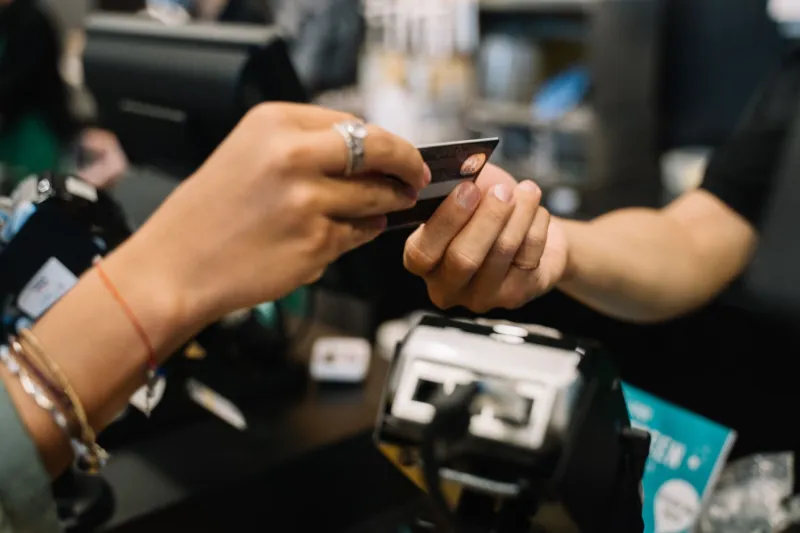
Photo: Chris Talbot, CC BY-SA 2.0, via Wikimedia Commons
Every November, the same thought crosses the mind of nearly every small retailer: if I don’t promise Christmas delivery, will shoppers go elsewhere? It is a fair worry. Black Friday and Cyber Monday in 2026 will again push customers towards big-marketplace certainty, and a small shop’s checkout page can start to look a little bare beside the giants.
But there is a difference between being helpful and writing a cheque your courier network cannot cash. “Guaranteed by Christmas” is one of those phrases that feels like customer service but behaves like a contractual promise. If the parcel turns up on 29 December, the customer is not thinking about weather warnings or a sorting hub backlog. They are thinking about the word guaranteed.
This is not a general consumer-rights piece. It is a business-side checklist for the person who has to field the emails when the tracking page has not moved since Tuesday.
Start with what you can actually control
You control when you pick, pack and hand over a parcel. You do not control the weather, a carrier’s peak surcharge, a failed first delivery attempt or the fact that a customer typed the wrong postcode. A useful test is simple: can you put the same promise in your carrier contract and get compensated if it fails? If not, it is probably an estimate, not a guarantee.
That does not mean being vague. Customers deserve clear cut-off dates and sensible expectations. It means separating three different things:
- Dispatch promises: “Orders placed before 2pm on 18 December will be handed to our carrier the same day.” You can usually keep this one.
- Delivery estimates: “Most standard parcels arrive within two to three working days, but peak-season delays are possible.” This is honest and still useful.
- Guaranteed delivery: “Delivered by 24 December or your money back.” Only use this if you have a carrier service that backs it up, a plan for claims, and the margin to absorb the refunds.
For most small retailers, the third category should be rare. A “next-day” service bought from a carrier is not the same as a guarantee to your customer. Read the service terms: many “next-day” products are targets, not promises, and compensation may be limited to the postage cost rather than the value of the goods.
Write checkout wording that a tired customer can understand
Festive delivery wording should be short, visible and repeated in the order confirmation. Do not bury the important bit under three paragraphs of returns policy. A clear format looks like this:
Christmas 2026 delivery: Order by 2pm on 18 December for standard UK delivery. This is an estimated delivery date, not a guarantee. We will email tracking as soon as your parcel leaves us. Royal Mail and courier networks are busier than usual in December.
That is not a legal document. It is a customer-service message. It tells the shopper what to do, what to expect and what might go wrong. If you offer a paid express option, state the cut-off separately and explain whether it is guaranteed or simply faster. “Express” without a definition is a complaint waiting to happen.
Also check the small print in your terms and conditions. If your website says “all orders delivered within three working days” but your festive banner says “may take longer in December”, you have created a muddle. The customer will rely on whichever wording suits them when the parcel is late.
Put your carrier contracts through a five-point check
Before you print a single festive label, spend twenty minutes with your carrier agreements. You are looking for five things:
- Peak cut-off dates. When is the last collection for each service? A 22 December website cut-off is meaningless if the carrier’s final pickup is 19 December.
- Service-level wording. Does the contract say “guaranteed”, “target” or “aim”? Those words matter when you are deciding what to promise customers.
- Compensation limits. If a parcel is late, lost or damaged, what does the carrier pay? Postage only? A fixed amount? Nothing for certain goods? Know this before you promise a refund.
- Claims windows. Many carriers require you to claim within a set number of days. Diarise it. A missed claims window turns a carrier failure into your loss.
- Exclusions. Weather, industrial action, high parcel volumes and incorrect addresses are common exclusions. If your customer promise ignores those, you are carrying the risk yourself.
It is also worth asking your carrier for a peak-season contact route. A generic call-centre queue on 23 December is not a plan. If you have a business account, ask who to contact when a parcel is stuck and what information they need to trace it.
Give staff a late-parcel script, not a shrug
Your team should not be improvising refunds at the busiest till of the year. A short internal script keeps things consistent:
- Apologise for the worry, not for a failure you have not confirmed.
- Check the tracking and the dispatch date before promising anything.
- Explain the next step: “I’m raising a trace with the carrier now and will email you by 4pm tomorrow.”
- If the parcel is unlikely to arrive by the date the customer needed it, offer a sensible remedy. That might be a replacement by a guaranteed service, a refund, or a discount on a future order. Decide in advance who can approve each option.
Under UK consumer law, distance sellers generally have to deliver within 30 days unless a different period was agreed. If a customer paid for express delivery and the parcel arrives late, the delivery charge may need to be refunded. If the late delivery causes a loss that was reasonably foreseeable — for example, a birthday gift that missed the day — the position can be more complicated. This is why wording matters. A clear estimate is not the same as a missed guarantee.
Build in one contingency that does not rely on hope
Every festive fulfilment plan needs a Plan B that costs less than a disaster. Options include holding back a small stock of bestsellers for replacement orders, using a click-and-collect option for local customers, or keeping a courier account open for urgent re-sends. You do not need a full second warehouse. You need one workable route for the twenty parcels that go wrong.
Finally, keep a simple log of late-parcel complaints: order number, dispatch date, carrier, tracking status, what you promised and what you did. If the same service fails repeatedly, you have evidence for next year’s carrier negotiation. If a particular product keeps arriving damaged, you have a packing problem, not a courier problem.
Promising Christmas delivery is not a sin. Promising it without checking the handover, the contract and the contingency plan is. A cautious estimate with a clear cut-off date will not lose you every sale. A broken guarantee, repeated across dozens of orders, will cost far more than the orders you might have lost by being honest.