The Rateable Value Once-Over: A Shopkeeper’s Pre-Bill Audit
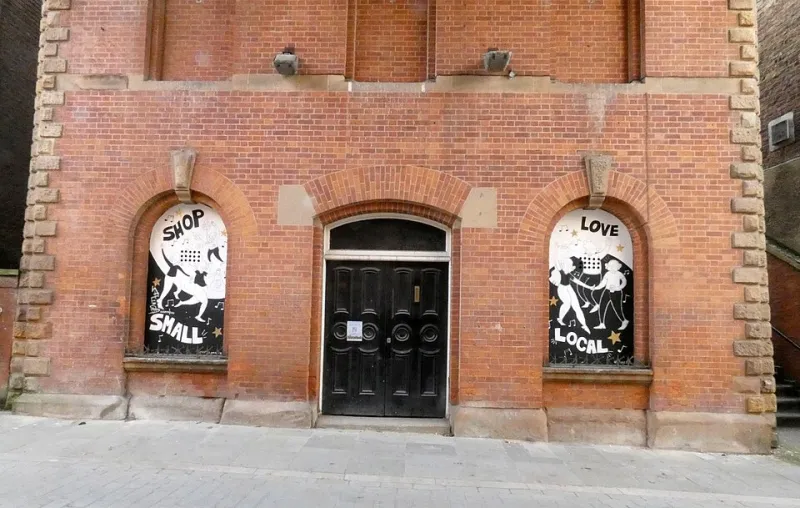
Photo: Gerald England , CC BY-SA 2.0, via Wikimedia Commons
Bills for 2026-27 are already with shopkeepers, and the revaluation that took effect in April 2026 is now baked into the numbers. You do not need a consultant to give the bill a sensible once-over. Set a timer for 30 minutes, dig out the paperwork and work through the checks below. The aim is not to win an argument with the Valuation Office Agency. It is to spot the boring errors and missed reliefs that quietly inflate the bill.
Start with the valuation, not the total
Your bill is a calculation: rateable value multiplied by the multiplier, then adjusted for reliefs. The rateable value is the part you can query. Find it on your bill, or look up the entry on the Valuation Office Agency service in England and Wales, or the Scottish Assessors Association portal in Scotland. Check the address, the property description and the floor area. If the entry includes a yard, store room, ATM or advertising hoarding that is not yours, make a note.
In England, the 2026 list is based on rental values at 1 April 2024. Wales and Scotland run their own revaluation cycles, so check the valuation date on your entry rather than assuming it matches. A wrong date is less common than a wrong area, but it is worth a glance.
Measure once, check twice
Boring errors are the most common. A mezzanine counted twice. A shared yard treated as yours. A storage area included when it is a separate assessment. A property described as retail when half the space is a workshop. Dig out the lease, any floor plan and a recent service charge schedule that shows areas. If you have had a rent review, the surveyor’s measurements are useful evidence.
You are not trying to argue that the valuation is unfair at this stage. You are checking whether the facts on the entry are right. If they are wrong, the formal check process is much easier to run.
The reliefs that change the bill
Reliefs can matter more than the rateable value. In England, Small Business Rates Relief gives 100% relief on a single property with a rateable value up to £12,000, tapering to £15,000, subject to the multiple-property rules. From 2026-27, retail, hospitality and leisure properties with a rateable value under £500,000 should see lower multipliers, paid for by a higher multiplier on the largest properties. Transitional relief may cap an increase. Empty property relief and hardship relief are separate.
Ask your council’s business rates team for a breakdown of what has been applied. Check that the multiplier on the bill matches your property type and rateable value band. If you have taken on a second property, tell the council — it can change your small business relief. If you have recently vacated part of the premises, ask whether the assessment should be split.
Is a formal challenge worth it?
In England, the Check, Challenge, Appeal service is the formal route. Start with a check: tell the VOA what you think is wrong and provide evidence. You do not need a paid agent, and cold callers promising a no-win-no-fee reduction are not a good first call. A challenge is worth it if the facts are clearly wrong and the reduction would save more than the time and evidence you need to gather. If the issue is a relief or a multiplier, the council is usually the first stop.
Keep an eye on deadlines. The VOA sets time limits for checks, and missing them can mean waiting for the next window. If you are outside the window, ask the council whether a relief or a material change of circumstances is the better route.
The 30-minute checklist
- Put the bill and the valuation entry side by side.
- Check the address, description, floor area and valuation date.
- Gather the lease, floor plan and recent rent evidence.
- List the reliefs applied and the multiplier shown.
- Note any changes: new unit, extra floor, yard, ATM, solar panels.
- Call or email the council business rates team with specific questions.
- Diary the next bill date — April 2027 — and check the first instalment.
- If challenging, use the official service and keep copies of everything.
Thirty minutes will not settle every argument. It will stop you paying for an error for another year, and it will tell you whether the next bill deserves a proper look.